About HopeMatch

A clearer path to help — and a community willing to walk with them.

HopeMatch builds shared technology that helps people find support — and helps communities follow through.

But the reason behind the technology is personal.

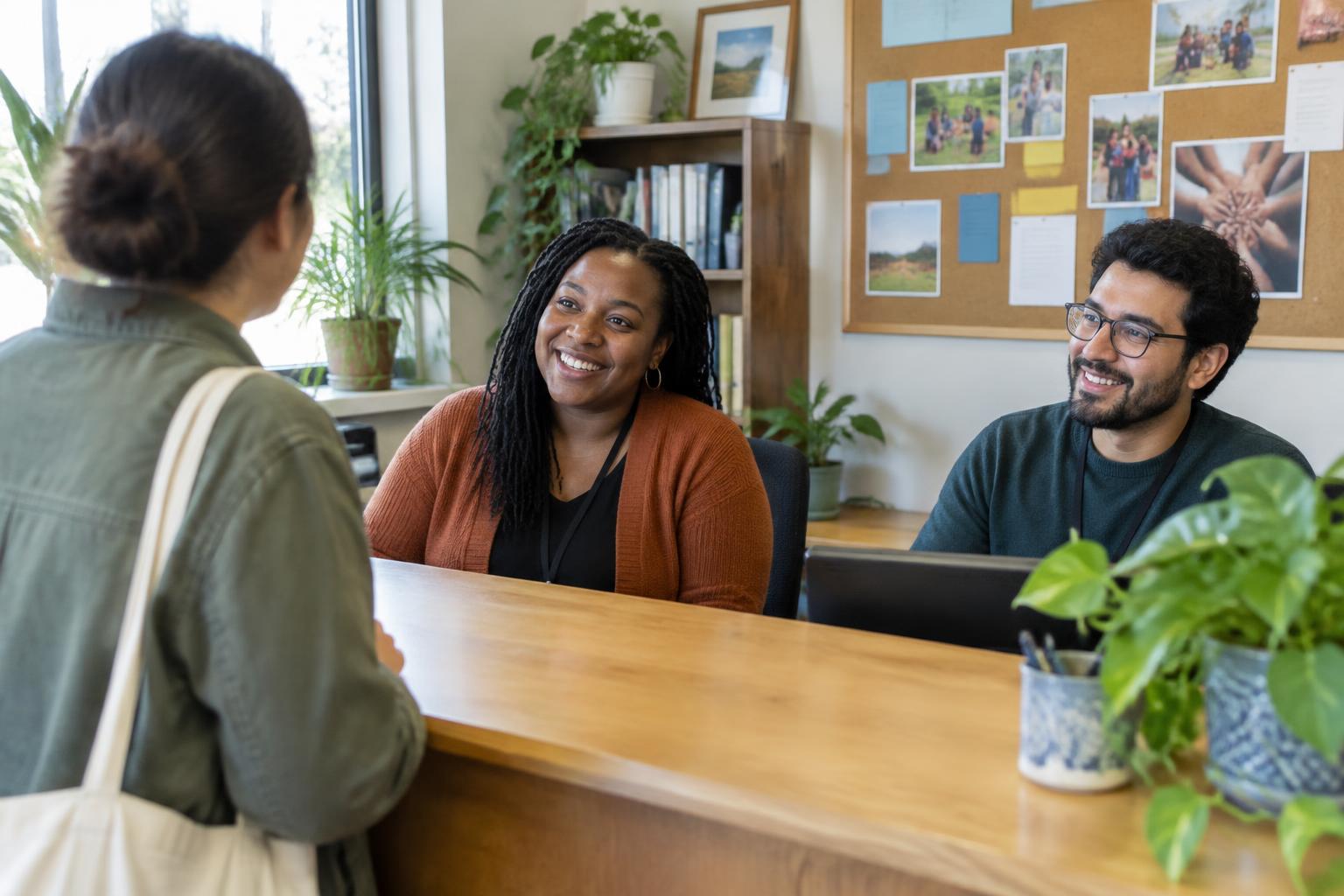
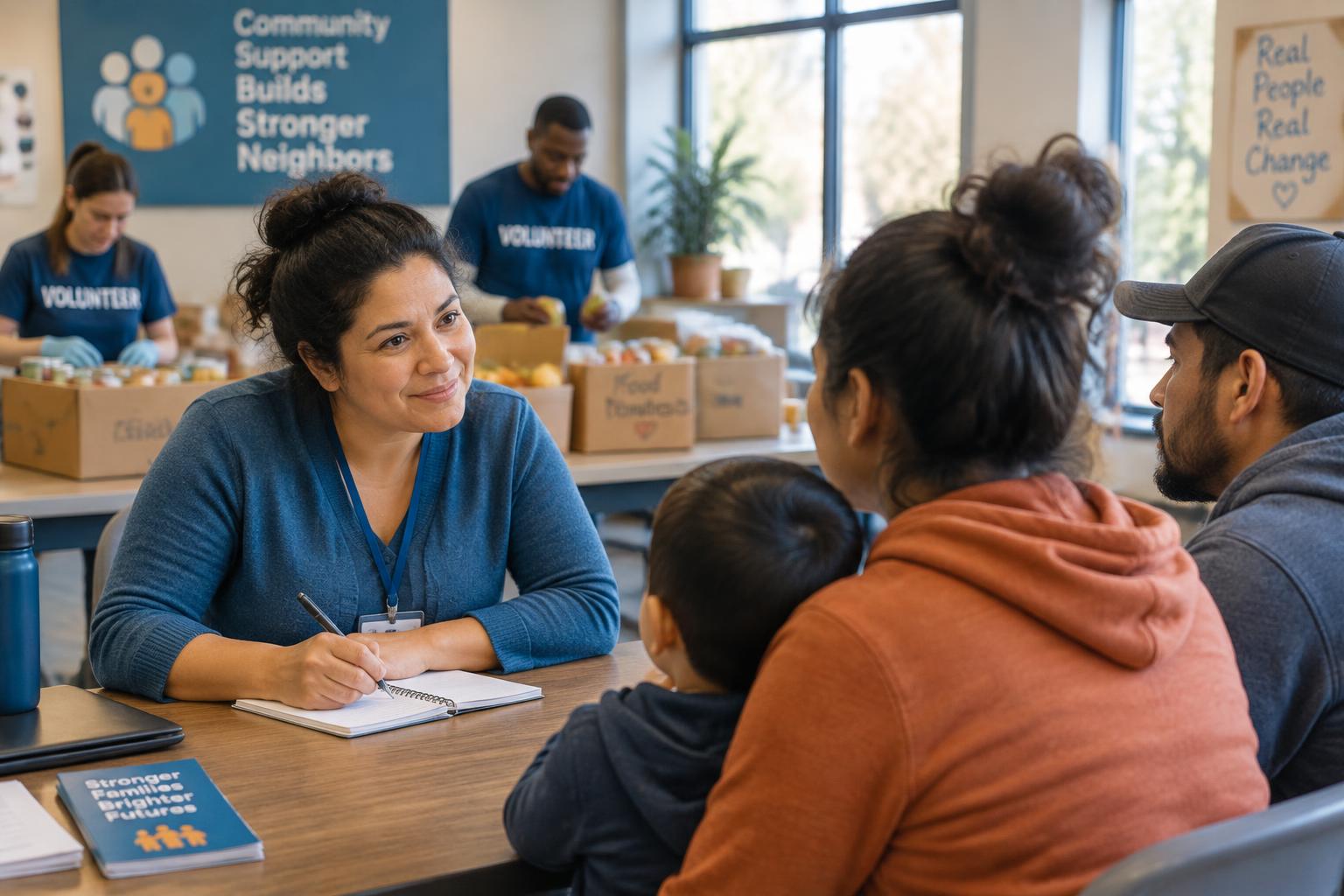
A caseworker listening to a family at a community center, with volunteers in the background
Why we're here

Care already exists. The connections need work.

Across our communities, people are doing meaningful work every day. Case managers help families navigate difficult circumstances. Nonprofits provide essential services. Churches, schools, businesses, volunteers, and donors contribute what they can.

Yet someone seeking help can still contact the wrong organization, repeat their story, encounter a waitlist, and leave without knowing what to do next.

An organization may be ready to serve but lack volunteers, supplies, transportation, or another resource. A willing supporter may have exactly what is needed but no clear way to offer it.

Sometimes the community needs more services. Sometimes the support exists, but the right connection does not.

We believe both deserve attention. HopeMatch is not another organization trying to provide every service. Our role is to strengthen the connections between people and organizations already doing the work, while helping communities recognize what is still missing.

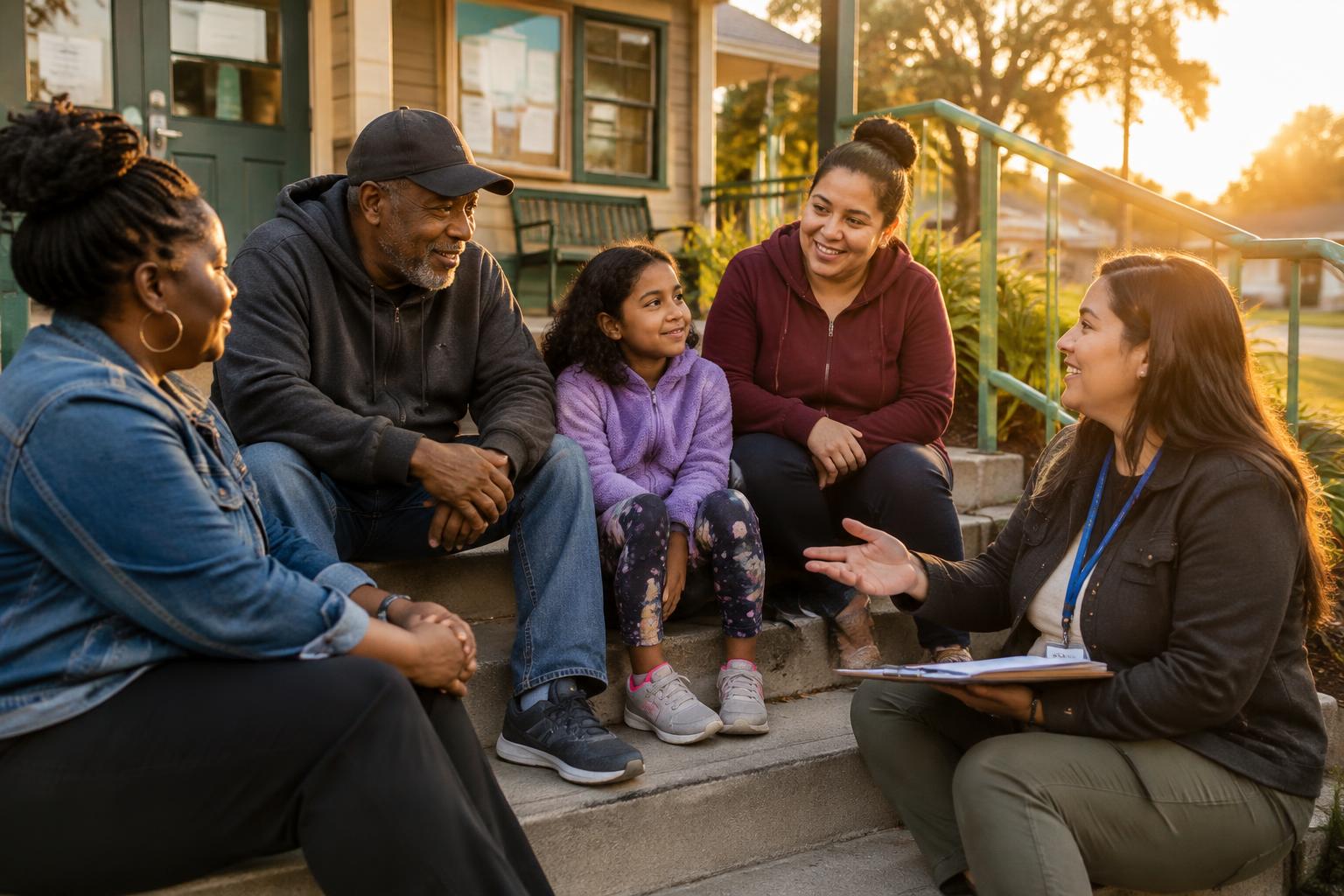
Neighbors talking together at a community gathering
Neighbors showing up for each other
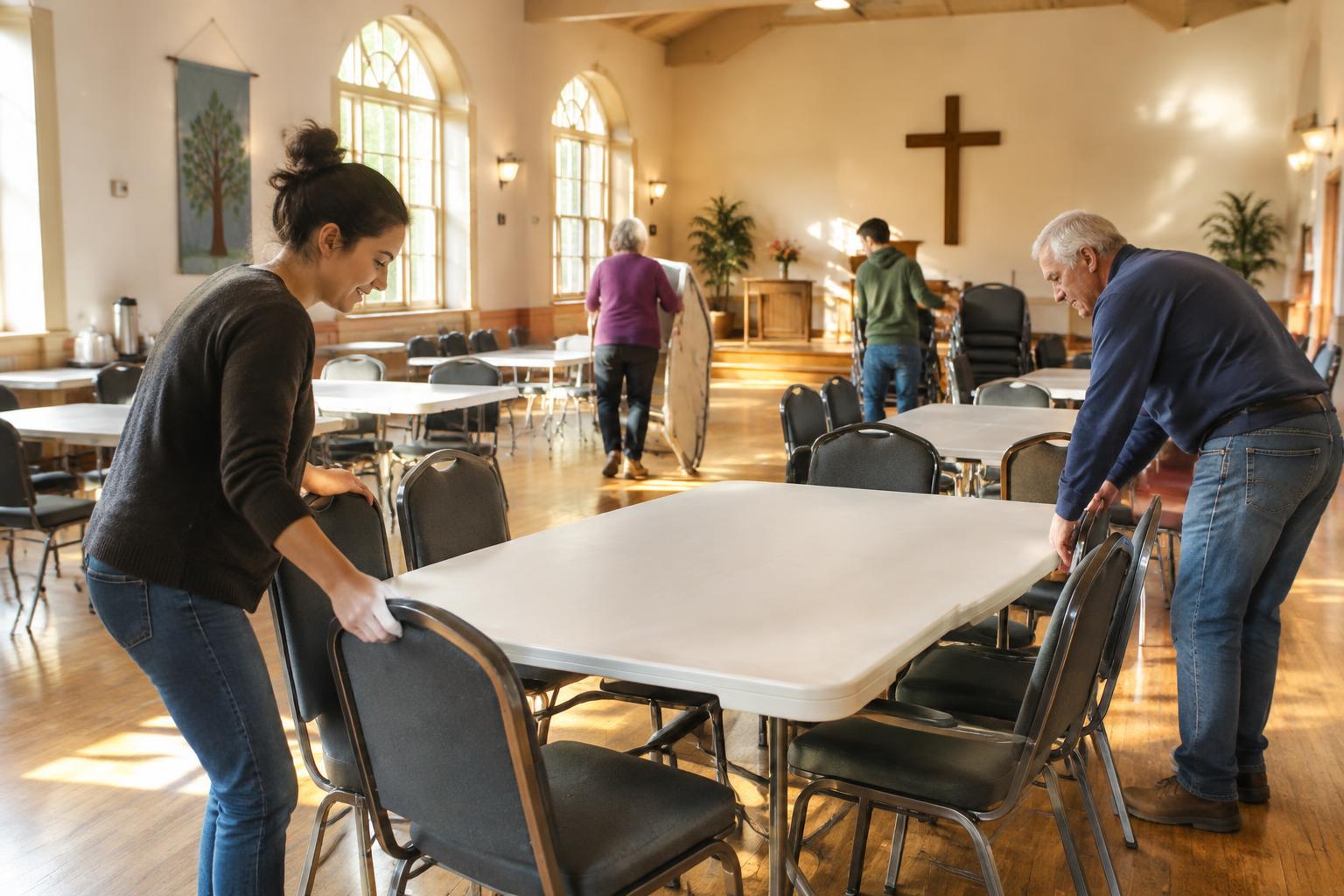
A community hall set up for a local event
Spaces where communities gather
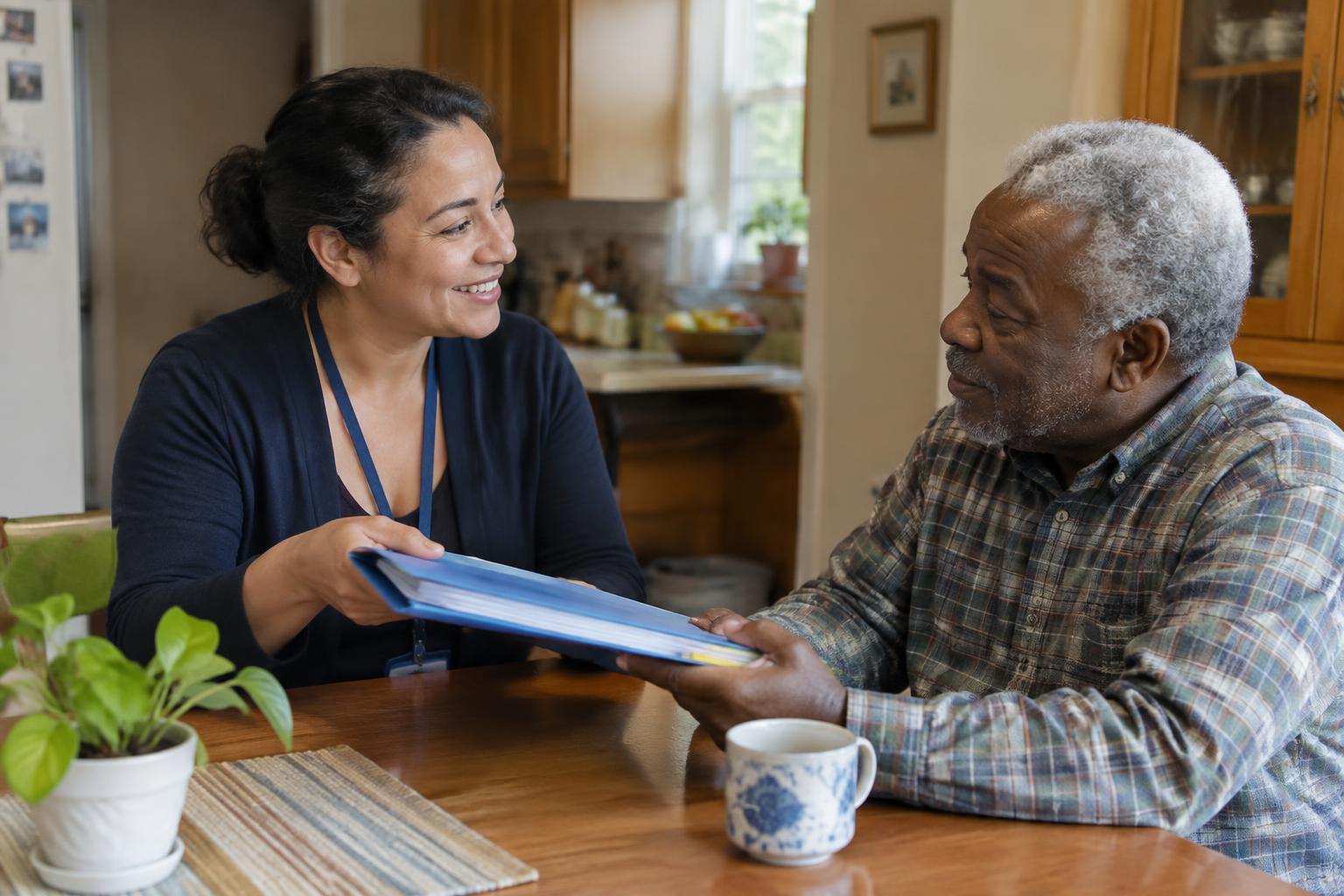
A caregiver offering a helping hand
Care that happens every day

Our core values

The beliefs behind everything we build.

Dignity and choice

See the person, not just the need.

People bring goals, strengths, relationships, and experiences alongside the challenges they face. We believe they should participate in decisions about their support, understand their options, and have a voice in what happens next.
Relationships first

Use technology to make more room for human care.

Trust, compassion, encouragement, and professional judgment belong to people. Technology should reduce the administrative work surrounding those relationships, not pretend to replace them.

Collaboration before recognition

Strengthen the work, not just our name.

A community benefits when organizations can contribute their strengths without being asked to become everything. We value shared progress, respect established relationships, and look for ways to build on what partners have already created.

Stewardship

Put time, talent, and treasure where they can help.

Good intentions deserve thoughtful coordination. We believe support should begin with an understanding of the actual need, recognize resources already available, and direct additional contributions toward the gaps that remain.

Trust and responsibility

Treat people's information and commitments with care.

Connection should not come at the expense of privacy. We value clear expectations, appropriate consent, honest communication, and accountability for what happens after someone asks for help or offers to provide it.

Humility and learning

Listen first. Improve through experience.

The people using a service and the people delivering it see things a technology team cannot discover alone. We value their feedback, acknowledge limitations, and build through practical learning rather than assume we already have every answer.

Our guiding principles

What those values mean in practice.

These principles guide how the platform is developed and how participation is organized with community partners.

Start with people's circumstances, not the system's categories.

Use understandable language, clarify the need, and make the next step easier to recognize. Reduce unnecessary barriers instead of expecting everyone to navigate the same way.

Strengthen local leadership and existing services.

Providers remain the source of truth for their programs. Networks retain their own missions and appropriate boundaries. Successful participation requires local relationships, training, support, and follow-through, not simply a software launch.

Let technology support human decisions.

Use automation to organize information, reduce repetition, and bring attention to next steps. Keep people responsible for professional assessments, eligibility decisions, relationships, and complex situations.

Connect information carefully.

Public service information is not the same as a private participant record. Sharing should have a clear purpose and appropriate permissions. A sensitive referral should never automatically become a public request for community help.

Distinguish activity from results.

A referral sent is not a service received. A pledge is not a fulfilled need. Seek useful confirmation, keep unresolved needs visible, and acknowledge what is still unknown.

Who is behind HopeMatch

Powered by Ignite121.

HopeMatch is being developed through Ignite121. Its early work has focused on Allen County and Northeast Indiana, informed by the organizations and communities working to meet needs here.

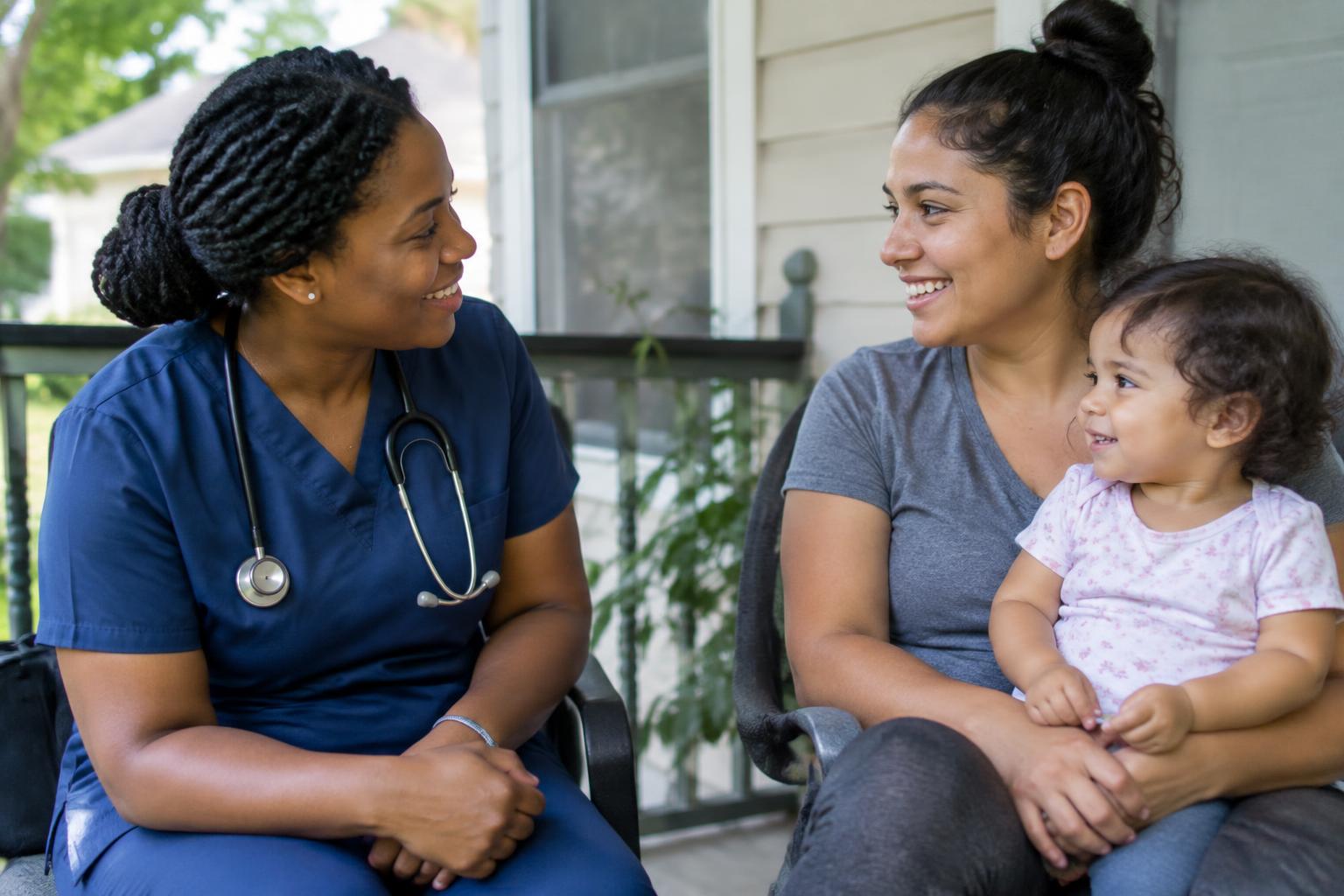
A health worker talking with a community member
Rooted in Allen County and Northeast Indiana.

The work grew from faith-informed conversations about practical care, relationships, and walking alongside people. That foundation informs why we care about dignity, service, and responsibility.

The public HopeMatch vision is for the broader community, not only people or organizations that share that faith. Individual providers and private Networks retain their own missions and participation requirements.

We want to help people and organizations work together around the needs they share a commitment to address.

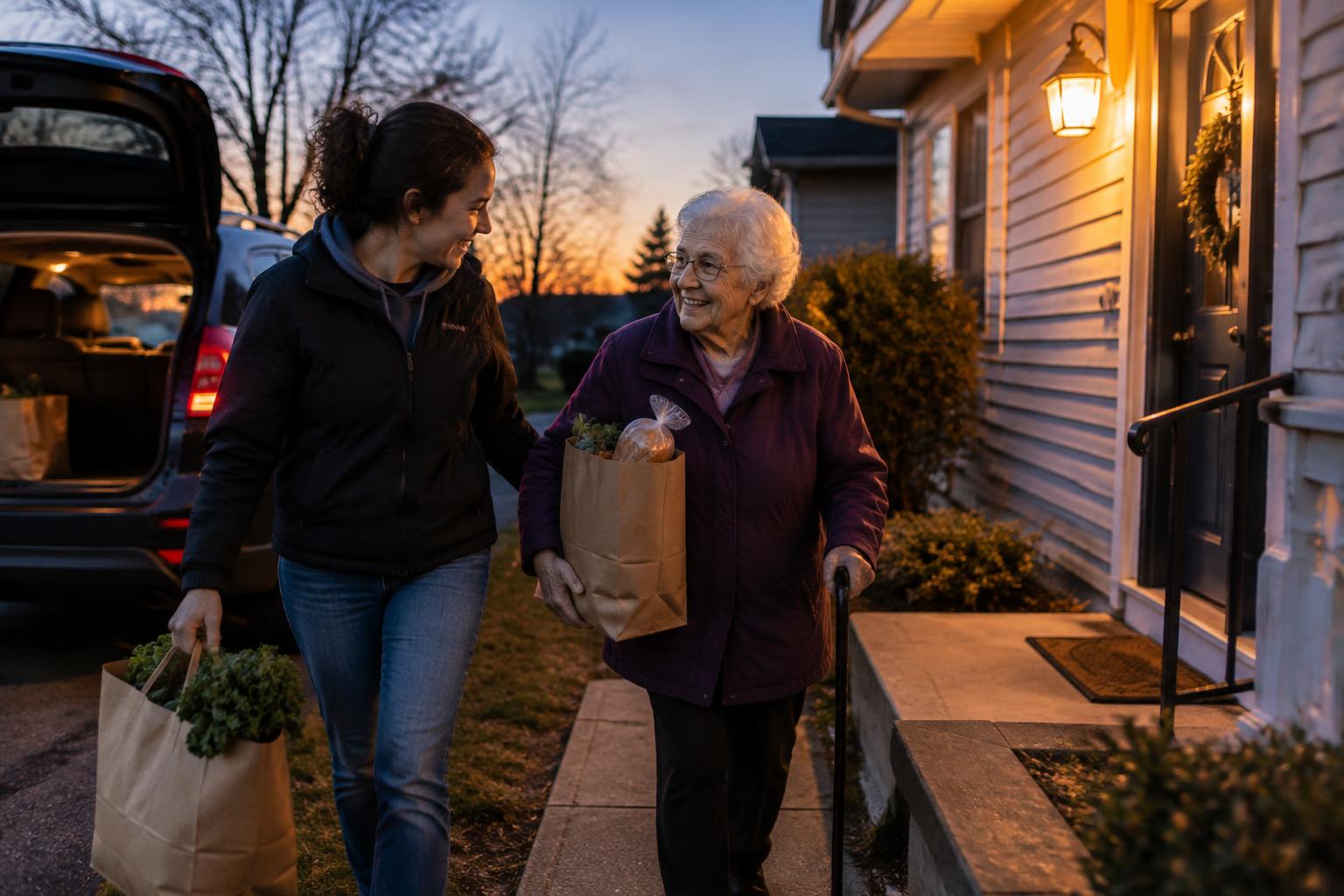
A neighbor steadying a young mother and her child by a car in the last light of the day

The future we want to help build

Families spending less time searching. Providers coordinating clearly. Communities contributing practically.

Volunteers handing a bag of groceries to a mother and her children

Families

Spending less time searching and repeating information.

A group of professionals working through a case together around a table

Providers

Clearer ways to coordinate with the partners around them.

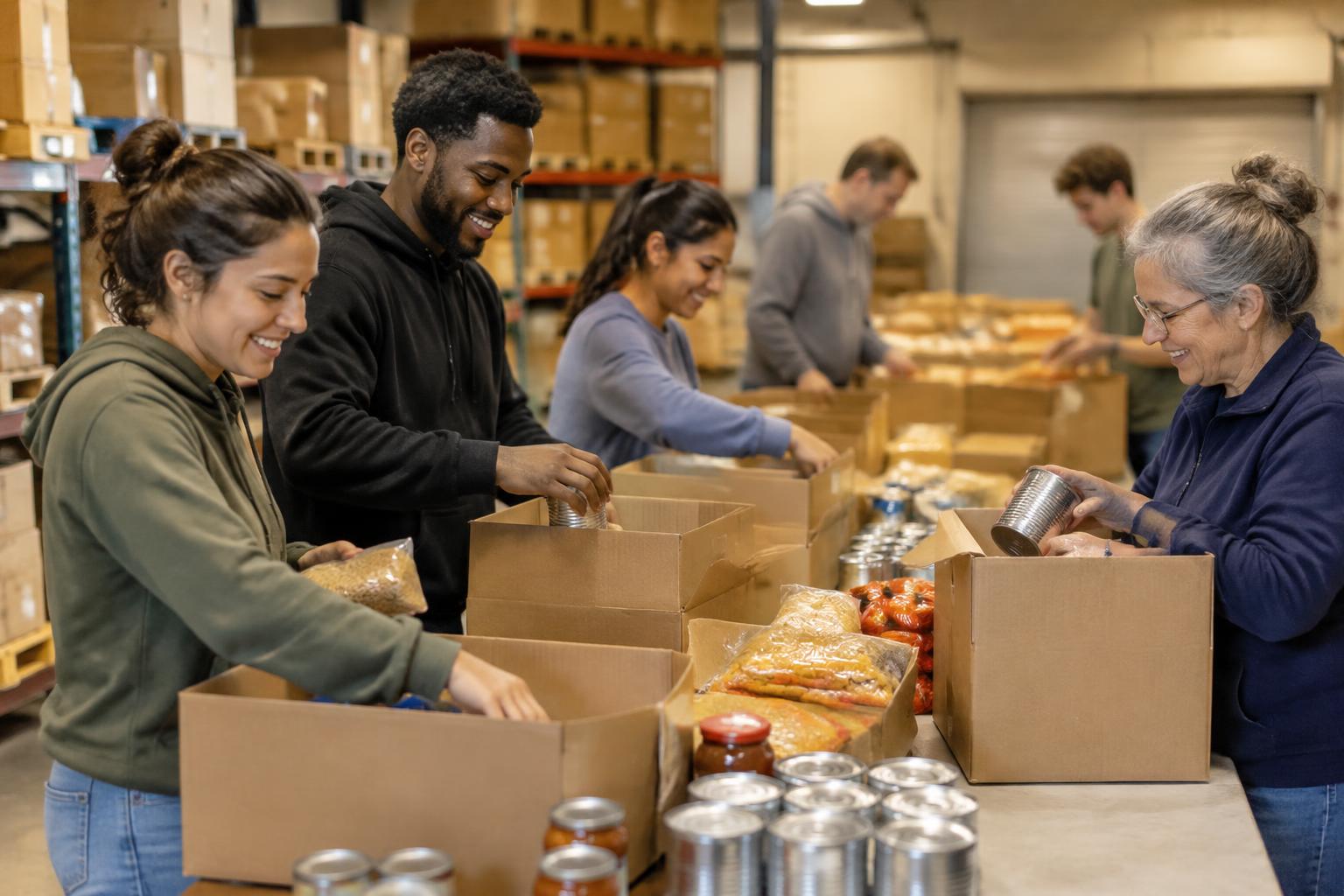
Volunteers working side by side to move supplies

Communities

Practical opportunities for members to contribute.

Two colleagues reviewing results and notes on a laptop

Funders

A clearer view of where additional resources or stronger connections could help.

A mentor and a young girl reading together at a community center table

That future will not come from software alone.

It takes

People who listen

Organizations willing to collaborate

Partners who invest in shared work

A commitment to keep learning

HopeMatch's role is to help connect that effort so more people can reach meaningful support.

Help build a more connected community.

You may provide services, lead a coalition, fund programs, or bring volunteers and resources to the work. You do not have to meet every need to play a meaningful part.

Let's explore how HopeMatch could strengthen what your organization is already doing and connect it with the broader community response.

HopeMatch · Connecting needs, care, and community.