HopeMatch

Connect people with help. Bring your community into the response.

HopeMatch brings together tools for finding local services, coordinating care across organizations, mobilizing community support, and understanding what happens next.

The problem

Finding help should not mean navigating everything alone.

For the person seeking support

A person may contact the wrong organization, repeat their information, reach a waitlist, and start over. A provider may make a referral without knowing whether help was received.

For the community around them

An organization needs volunteers or supplies. A business wants to contribute but does not know what would be useful. A foundation wants to invest wisely but cannot clearly see where needs remain unresolved.

For the response as a whole

Sometimes more services and resources are needed. Sometimes the right support exists but is difficult to reach.

HopeMatch helps connect the response and make the remaining gaps easier to understand.

Two forms of support

A connected system of care and community action.

Communities need both established services and people willing to help beyond them.

The system of care

Nonprofits, healthcare providers, and programs equipped to deliver services.

Community acts of care

Volunteers, donors, churches, schools, businesses, and neighbors contributing their time, skills, and resources.

HopeMatch connects these two forms of support while respecting their different responsibilities. It also creates a foundation for understanding what people needed, how the community responded, and what still requires attention.

No single organization needs to do everything. The connections between them need to work.

The products

Four distinct products.
One shared purpose.

Each HopeMatch product addresses a different challenge. Begin with the one your community needs now and connect more of the experience over time.

HopeMatch Discover

A better front door to care

Help people explain their situation, identify relevant local services, and understand how to begin — without needing to know the right organization or service category.

  • Find appropriate services through a searchable directory and smart matching
  • Explain the need through guided questions and a universal intake
  • Take the next step with reusable information and optional follow-up
Explore HopeMatch Discover

HopeMatch Networks

The coordination layer for the system of care

Private, permission-based environments where trusted organizations make referrals, coordinate the handoff, and know what happened afterward.

  • Make a warmer handoff with permitted intake information and referral context
  • Keep coordination connected with questions, updates, and referral status
  • Close the loop by recording whether services were received
Explore HopeMatch Networks

HopeMatch Mobilize

The organic frontline of care

Turn appropriate unmet needs and program capacity gaps into clear opportunities for volunteers, donors, businesses, professionals, and neighbors to contribute.

  • Time — volunteers for mentoring, tutoring, projects, and practical assistance
  • Talent — professional expertise, technical skills, and trades
  • Treasure — goods, supplies, equipment, funding, and sponsorship
Explore HopeMatch Mobilize

HopeMatch Impact

From activity to understanding

The analytics and reporting layer that connects information from Discover, Networks, and Mobilize so leaders can see patterns beyond a single search, referral, or opportunity.

  • Understand demand and barriers across the community
  • See what happened — confirmed services versus commitments
  • Inform the next response with dashboards and reporting
Explore HopeMatch Impact
DiscoverNetworksMobilizeImpact
Talk to us about where to start

What a connected response can look like

One family. Several needs. Organizations and neighbors working together.

Imagine a family looking for housing support.

  1. 1 — Discover

    Discover helps clarify the situation.

    The family identifies relevant programs and learns where to begin, based on their circumstances and available service information.

  2. 2 — Networks

    Networks helps providers coordinate.

    Participating organizations share permitted information, manage referrals, and record the services they provide.

  3. 3 — Mobilize

    Mobilize brings in appropriate community support.

    Once housing is secured, furniture and moving assistance may still be needed. A trusted organization can sponsor opportunities, coordinate volunteers and donors, and confirm what was provided.

  4. 4 — Impact

    Impact helps the community learn.

    Connected records can help leaders understand which services reached the family, which practical needs remained, and whether similar gaps are appearing elsewhere.

This is the connected response HopeMatch is building toward. The connections depend on participation, available capabilities, consent, and appropriate information sharing.

Not everyone needs every product. Every connection should serve the person’s next step.

Built on your foundation

Start with the work your community already does.

You may already run a resource guide, a coalition, a volunteer program, or a network of local providers. HopeMatch strengthens that foundation instead of asking you to start over.

  • Your case-management system
  • Your public brand
  • Your printed guide
  • Your operating practices

Keep what works. Improve what happens between people, programs, and organizations.

A local nonprofit office serving its community

Who it serves

A meaningful role for every community partner.

Staff welcoming visitors at a nonprofit front desk

Nonprofits and healthcare providers

Connect people with support beyond your own programs.

Make your services easier to understand, coordinate with trusted providers, and engage additional resources around the needs your team identifies.

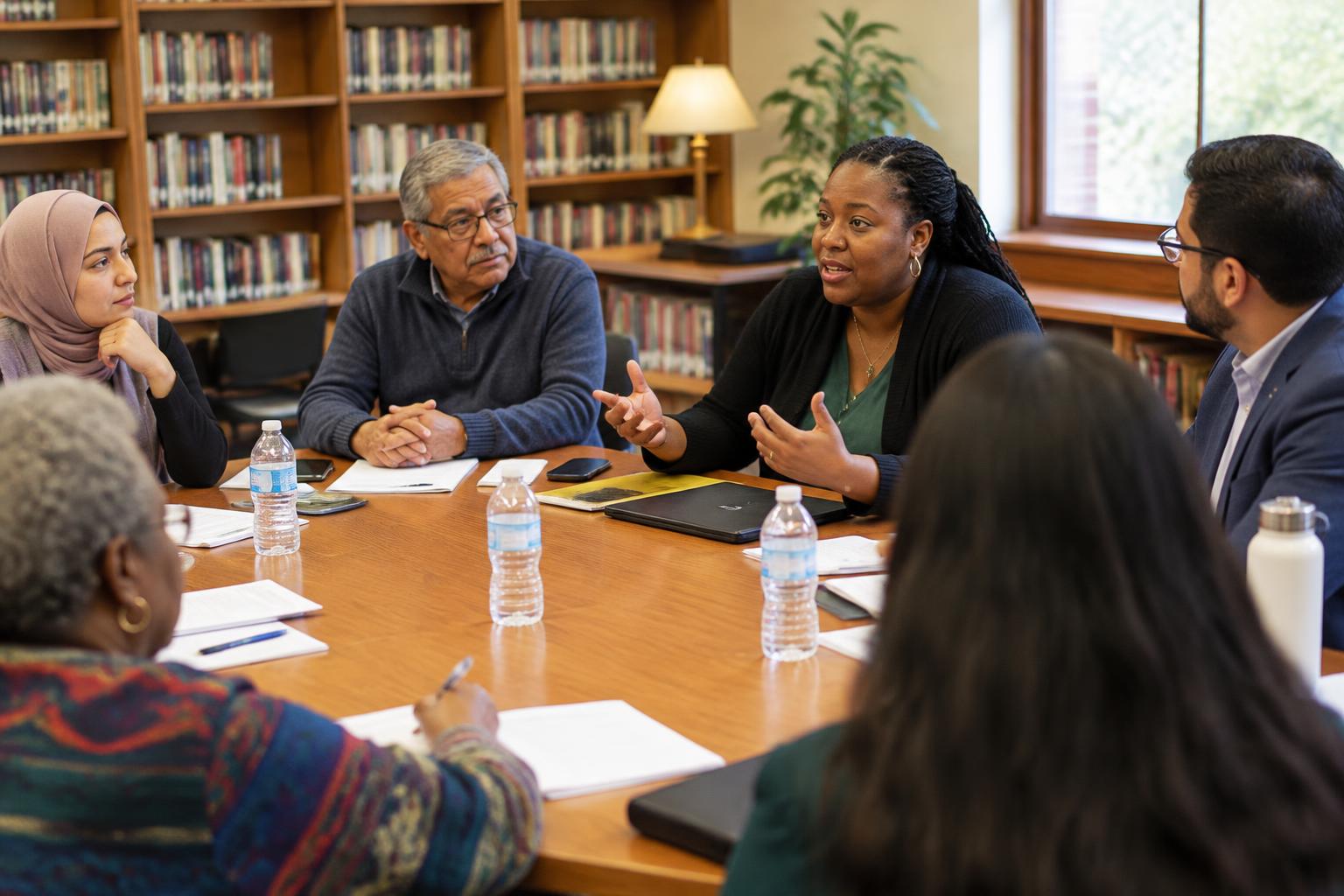
Partner organizations meeting around a table to coordinate referrals

Coalitions, associations, and care networks

Turn shared commitment into a shared process.

Give participating organizations practical tools for referrals, communication, follow-through, and learning across the group.

A funder reviewing community program results with a partner

Foundations and community funders

Strengthen the connections around the services you support.

Explore sponsoring shared access, provider coordination, community participation, or reporting. Help address the technology and operating support needed to make those efforts useful.

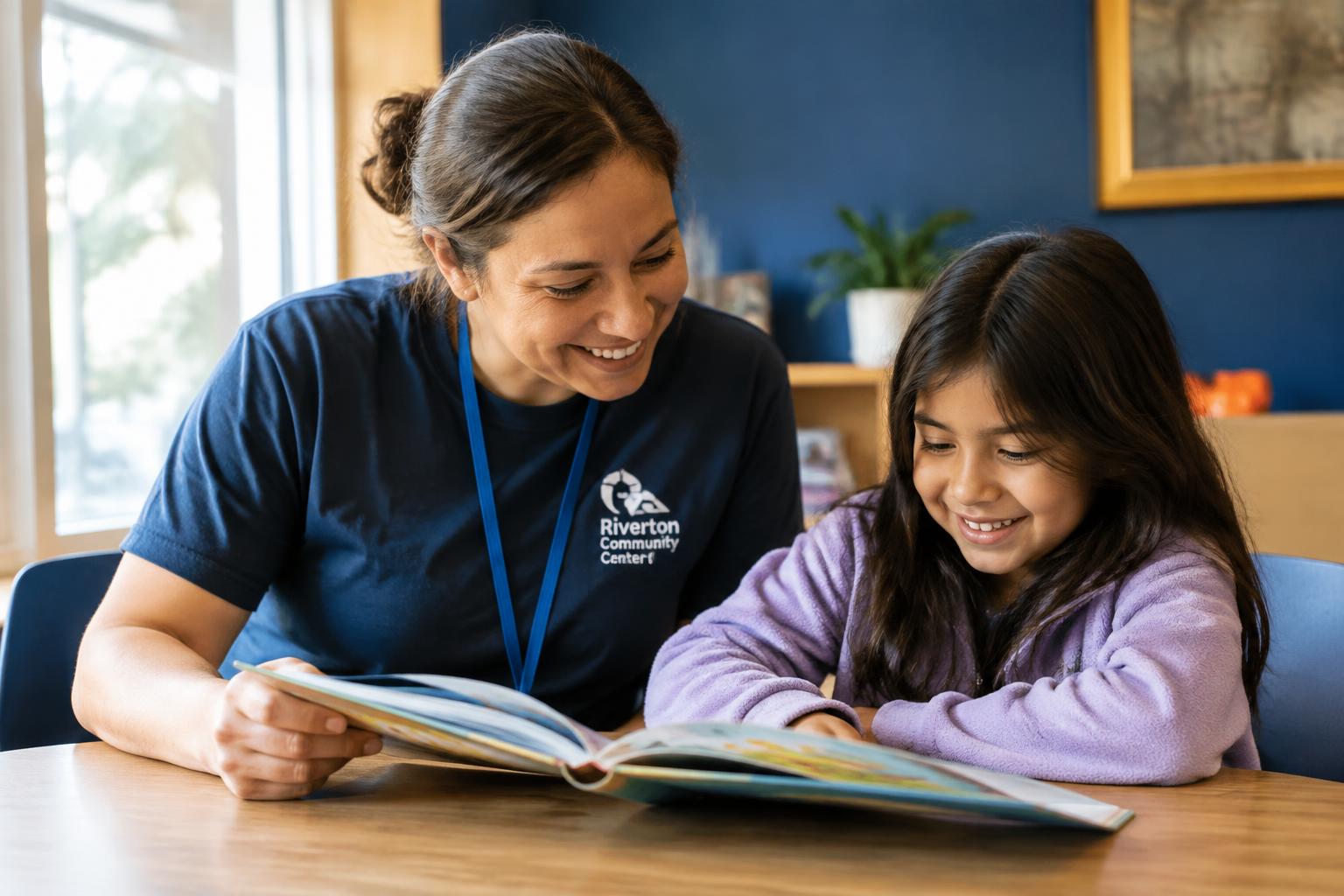
A volunteer mentor reading with a young student

Schools and churches

Connect people with help and give your community a way to serve.

Find resources beyond your own organization while organizing volunteers, expertise, and practical contributions through relationships you already have.

Community volunteers sorting donated supplies together

Businesses and community groups

Put your people and resources where they can be useful.

Support organization-defined opportunities through employee volunteering, professional skills, donated goods, sponsorship, or investment in community access.

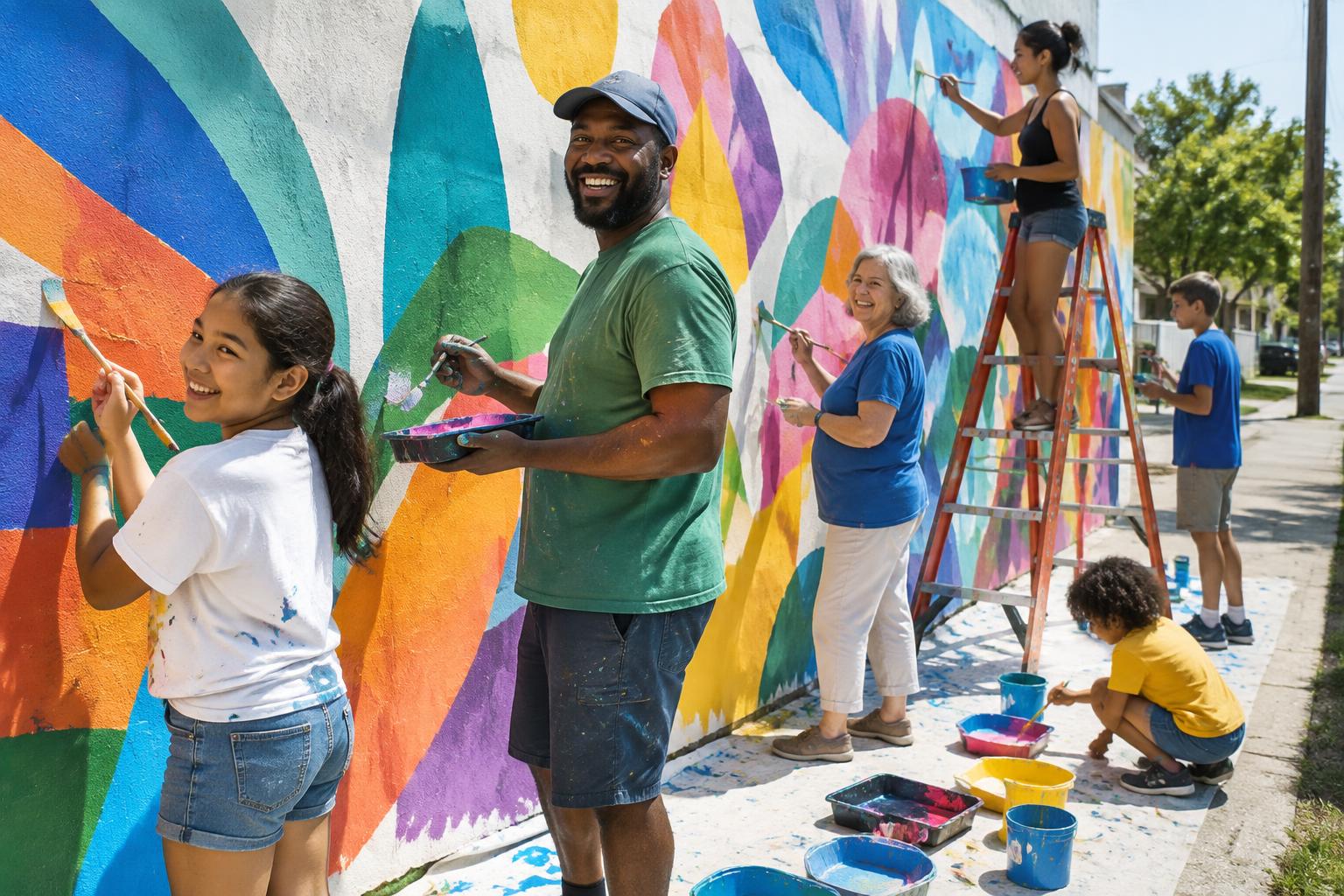
Neighbors working together at a community event

You do not have to provide every service to help build a stronger community response.

Our belief

Technology should make more room for human care.

A person is more than a request. A relationship is more than a referral. HopeMatch is designed to reduce the work surrounding care: searching for services, gathering repeated information, coordinating handoffs, following up, and bringing useful information together.

The people providing care remain responsible for professional judgment, relationships, and decisions about their programs. Participants remain involved in choosing their path forward.

Automate more of the administration. Preserve the attention, trust, and compassion that only people can provide.

Community members gathered in a local hall

Shaped by practice

Built with the people doing the work.

HopeMatch’s development has been shaped by provider feedback, referral workflows within the FamilyWorks Coalition, and school-based community-support work developed through HelpMatch.

Those experiences reinforce a practical lesson: useful technology needs accurate information, clear responsibilities, training, and people who follow through. We are building around that reality, with local partners helping shape how HopeMatch works in their communities.

How partnerships begin

Start where the need is clearest.

  1. 1

    Bring the challenge.

    Show us how people currently find your services, how your partners coordinate referrals, or how your organization engages community support.

  2. 2

    Choose a practical starting point.

    Identify the product, participating partners, and scope that address a real need. Define responsibilities for information, onboarding, support, and follow-through.

  3. 3

    Put it to work and learn.

    Introduce the tools with a focused participation plan. Use feedback and recorded results to improve the process and decide where additional connections would help.

Schedule a Conversation

Start with one useful application. Build from there.

Common questions

Questions from potential partners.

Something else on your mind? Ask us directly.

Get started

Help build a clearer path from need to meaningful help.

Make services easier to reach. Give providers a better way to coordinate. Help willing people contribute where they are needed. Learn where the community response can improve.

HopeMatch connects the work, so your community can do more together.